People who challenge constraints. Teams who own the improvement.
Hagen was founded in 1990 around a belief that still defines the company today: the limits people accept are not always the true limits of the operation.
Our consultants work alongside client teams, bringing experience in manufacturing, engineering, training and technology.
Since 1990
The method grew out of the work.
Hagen’s approach evolved by solving real operating problems, then turning what worked into methods clients could apply and sustain themselves.
While working for a leading consulting firm in the United Kingdom, Ian Thompson saw manufacturers defining their potential around constraints they assumed were fixed. He founded Hagen in 1990 to challenge that thinking.
“I don’t believe a word of what you’re saying. But if it’s true, it’s no skin off my nose.”
After six months and fifty unsuccessful sales calls, Ian was given an old canning line that urgently needed more volume, with payment tied to results. Five weeks later, output was 30% higher with zero capital cost. The Production Director retained Ian for the next 12 months, and the Supply Chain President arranged introductions to the European CEOs of Coca-Cola and Mars. The first project had turned a skeptical challenge into the proof point for a new way of working.
Control Factor Analysis®
Make “unsolvable” problems solvable.
As Hagen took on increasingly difficult operating problems, the team developed and refined CFA® as a repeatable way to solve them to root cause.
True Opportunity®
Focus improvement where it matters most.
Hagen then introduced True Opportunity®, the world’s first automatic financial opportunity reporting system for manufacturing companies. By ranking every opportunity by its true financial value in real time, it gives everyone from the operator to the CEO a shared view of the most important financial priorities.
The Hagen Improvement Cycle™
Make improvement sustainable.
To make results continue after individual projects ended, Hagen developed the Hagen Improvement Cycle™ as its proprietary framework for embedding continuous improvement into the way client organizations operate.
2024 · Hagen AI
Bring the methodology into a new generation.
In 2024, Hagen developed Hagen AI to bring its manufacturing expertise, methodology and purpose-built custom tools into an AI-assisted platform, extending how teams investigate losses, solve problems and preserve learning.
The principles that stayed
Facts over assumptions. People over dependency.
We bring an outside perspective and work with the people who know the operation. Together, we test assumptions against evidence and build the confidence to tackle the next problem.
Financial clarity
Understand the dollar value of every meaningful loss so priorities are based on business impact.
Root-cause rigor
Use CFA® to move beyond symptoms and uncover the factors that actually control performance.
Client ownership
Build methods, behaviors and systems that are operated and sustained by the people in the organization.
The HAGEN team
Experience built around one method.
Hagen remains a small, collaborative organization. The team combines consulting, manufacturing, engineering, training and technology experience, with the work centered on client teams and measurable results.
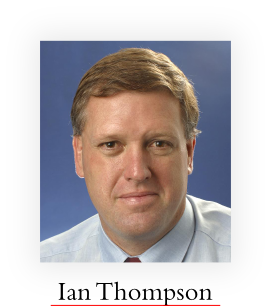
Ian Thompson
Founder
Ian founded Hagen in 1990 after seeing manufacturers accept assumed constraints as fixed limits. An engineer by training, he is a consultant, educator and software architect, and co-author of four patents on dollar-based reporting.
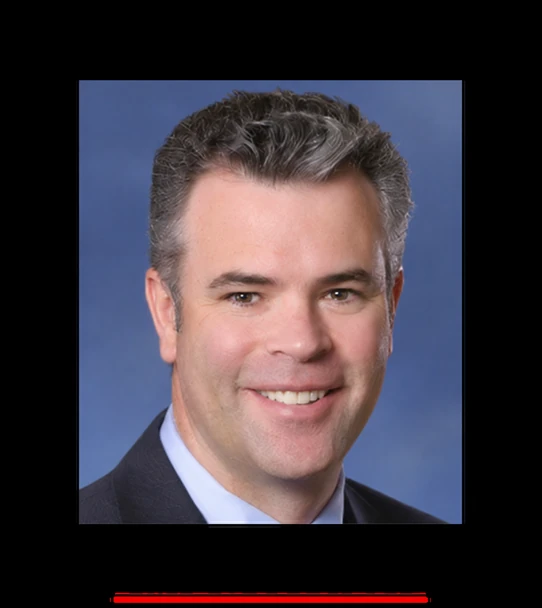
Ian Morrison
Co-Managing Partner
Ian brings an M.Eng in Manufacturing Science & Engineering and experience in both plant leadership and consulting. His work has included Coca-Cola, Kraft, Miller, British Sugar and Kimberly-Clark; outside work he enjoys sailing, skiing and home improvement.
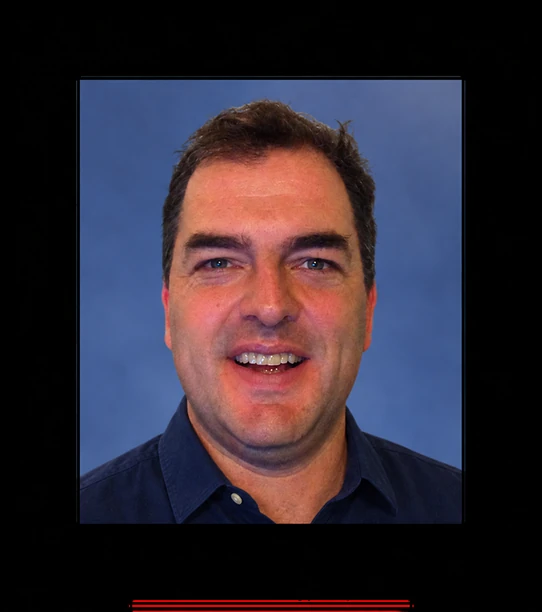
Tim Mallam
Chief Technology Officer
Tim combines engineering and science backgrounds, earned a University Medal and was a Bronze Medallist at the World Chemistry Olympiad. His consulting work has included BHP, Lion Nathan, Boral, BlueScope Steel and Alcoa.
Experience built with clients
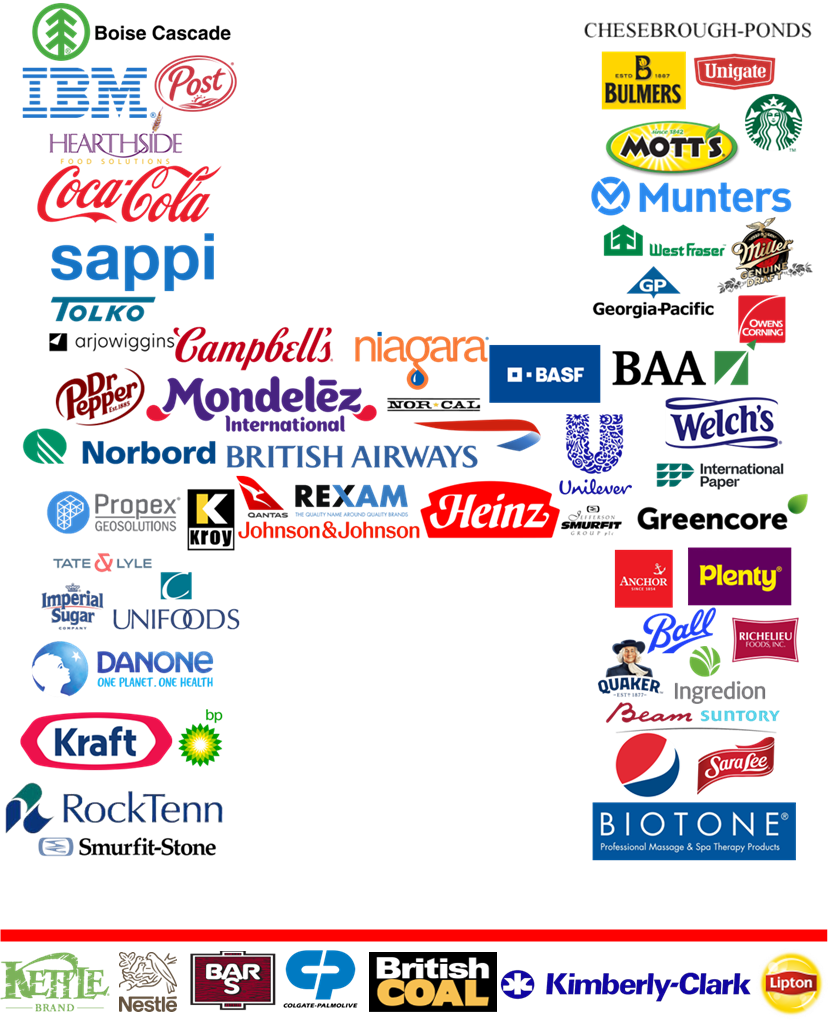
The best proof is what client teams go on to achieve.
Client teams put the methods into practice. Explore the published historical examples to see how the work connects operational problems, financial priorities and capability development.